

ABOUT THE CONFERENCE
4th International Conference on Advances in Engineering Science and Technology (AEST)
AEST is organized by PERDANA University, UNIROW (PGRI) University with the cooperation of the College of Engineering (University of Babylon). Conference Aims to bring together all aspects and research works in a scientific platform to discuss the latest and new trends in topics covered under broad areas such as (but not limited to): Electrical and Energy Systems Engineering, Electronic Science and Hardware Technology, Information and Communication Technology, Intelligent Systems and Control Engineering, Energy and Energy Storage Technology, Optics and Remote Sensing Technology. All accepted and presented papers that meet SPIE’s editorial standards will be submitted for publication in the SPIE Digital Library and indexed accordingly. Accepted and Presented Papers will be formally published in Proceedings of SPIE - The International Society for Optical Engineering (P- 0277-786X, E-ISSN: 1996-756X; Scopus Indexed, Scopus Link). Other Selected Papers will also be proceed to published by ICAIIT Proceedings Journal (ISSN: 2199-8876, Scopus Index). AEST aimed to bring researchers, academicians, scientists, students, engineers, and practitioners together to participate and present their latest research findings, developments, and applications related to the various aspects of engineering fields. AEST All Accepted papers will be collected in the conference proceedings after proper registration and presentation.

Important Dates
Key submission and conference deadlines.
-
Paper Submission Started01 April 2026
-
Paper Submission Deadline01 September 2026
-
Acceptance Notification Due15 September 2026
-
Camera-Ready Deadline30 September 2026
-
Final Payment Deadline01 October 2026
-
Conference Dates23 – 24 October 2026
-
VenuePerdana University, Kuala Lumpur, Malaysia
Previous Editions
Conference Proceedings
International Conference on
Advances in Engineering Science and Technology
Publication Details
Published by
IEEE
© 2022 IEEE. All rights reserved.
Authorized licensed use limited to IEEE Xplore.
Indexed by
Conference Proceedings
International Conference on
Advances in Engineering Science and Technology
Publication Details
Published by
IEEE
© 2024 IEEE. All rights reserved.
Authorized licensed use limited to IEEE Xplore.
Indexed by
CONFERENCE ORGANIZERS








Keynote Speakers
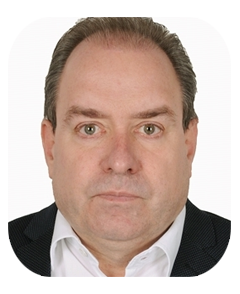
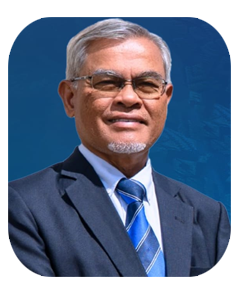
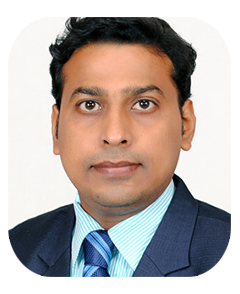
Honorary Conference Chairs
Higher Conference Committee
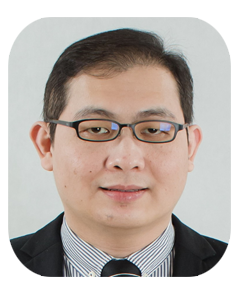
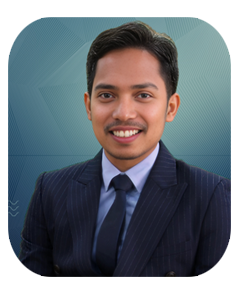
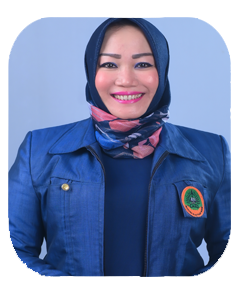
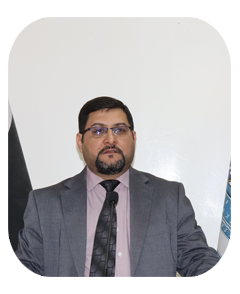
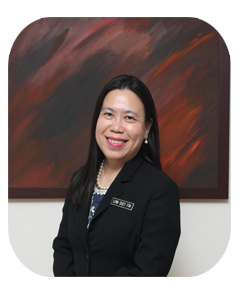
Conference Committees
- Honorary Conference Chairs
- Scientific Committee
- Editorial Committee
- Organizing Committee
- Advisory Committee
- Steering Committee
- Peer Review Committee
- Join our Reviewers Committee
Honorary Conference Chairs
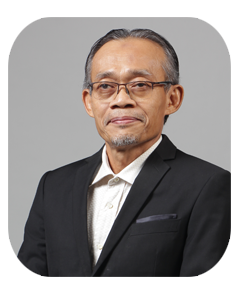
Assoc. Prof. Dr. Abadan Jasmon
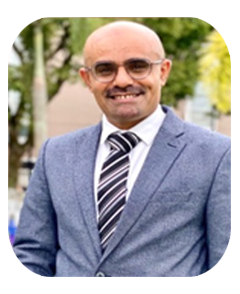
Professor Dr. Warli Warli, M. Pd.
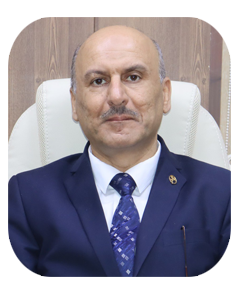
Prof. Dr. Laith A. Abdul-Rahaim
Scientific Committee
| No. | Full Name | Affiliation | Country |
|---|---|---|---|
| 1 | Prof. Dr. Prof. Dr. Shamam F. Alwash | University of Babylon | Iraq |
| 2 | Assoc. Prof. Dr Ts Dr Ahmad Shaharudin Abdul Latiff | Perdana University | Malaysia |
| 3 | Assoc. Prof. Dr. Mohd Suleiman Murad | Perdana University | Malaysia |
| 4 | Dr Ong Chong Boon | Perdana University | Malaysia |
| 5 | Prof. Dr. Laith A. Abdul-Rahaim | University of Babylon/College of Engineering | Iraq |
| 6 | Prof. Dr. Shamam F. Alwash | University of Babylon/College of Engineering | Iraq |
| 7 | Prof. Dr. Osama Q. J. Al-Thahab | University of Babylon/College of Engineering | Iraq |
| 8 | Prof. Dr. Ehab A. Hussein | University of Babylon/College of Engineering | Iraq |
| 9 | Prof. Dr. Hameed H. Alwan | University of Babylon/College of Engineering | Iraq |
| 10 | Prof. Dr. Hanaa M. Ali | University of Babylon/College of Engineering | Iraq |
| 11 | Prof. Dr. Sarmad K. Ibrahim | University of Babylon/College of Engineering | Iraq |
| 12 | Asst. Prof. Dr. Hassanein M. Jaafar | University of Babylon/College of Engineering | Iraq |
| 13 | Asst. Prof. Dr. Amir F. Partu | University of Babylon/College of Engineering | Iraq |
| 14 | Asst. Prof. Dr. Ola A. Al mamouri | University of Babylon/College of Engineering | Iraq |
| 15 | Dr. Alesa Durgaryan | International University of Applied Sciences | Armenia |
| 16 | Dr. Nelson | IAIN Curup | Indonesia |
| 17 | Prof. Dr. Iskandar Budiman | IAIN Langsa | Indonesia |
| 18 | Dr. M. Ihsan Dacholfany | University of Muhammadiyah Metro | Indonesia |
| 19 | Dr. Eka Apriani | IAIN Curup | Indonesia |
| 20 | Dr. H. Joko Tri Brata | University of Sulawesi Tenggara | Indonesia |
| 21 | Risa Triassanti | Universitas PGRI Ronggolawe Tuban | Indonesia |
| 22 | Dr. Hijriani | Unsultra University | Indonesia |
| 23 | Prof. Dr. Alexis Enriquez | Abra State Institute of Sciences and Technology, Bangued Abra | Philippines |
| 24 | Ken Paul M. Espinosa | Baliuag University | Philippines |
| 25 | Dr. Anania B. Aquino | Batangas State University | Philippines |
| 26 | Prof. Evangeline S. Barredo | Batangas State University | Philippines |
| 27 | Leolanda A. Balilla | Batangas State University | Philippines |
| 28 | Prof. Dr. Khunakene F. Facullo | Batangas State University | Philippines |
| 29 | Prof. Dr. Khalid Sh. Al'Dzhabri | University of Cordoba | Iraq |
| 30 | Prof. Dr. Asaad Naser Hussein | University of Cordoba | Iraq |
| 31 | Prof. Dr. Alex Khang | Global Research Institute of Technology and Engineering, NC | USA |
| 32 | Dr. Dither Balderas | Association of Continuous Education and Distance Learning | México |
| 33 | Prof. Luis Miguel Cardoso | Centre for Comparative Studies, Polytechnic University of Portalegre | Portugal |
| 34 | Dr. Samantha Curle | University of Bath | UK |
| 35 | Prof. Dr. Abdelhamid Bouchachia | Faculty of Science and Technology, Bournemouth University | UK |
| 36 | Dr. Weronika Jakubczak | Fire University, Warsaw | Poland |
| 37 | Prof. Dr. Kamila Zarychta | Centrum Edukacji i Studiów dla Bezpieczeństwa CSEB, Uniwersytet Wrocławski | Poland |
| 38 | Prof. Dr. Christoph Rasche | Deutsches Institut für Beratungswissenschaften (dibw), Vorstand IfK Potsdam | Germany |
| 39 | Dr. Rimajon Sotlikova | Webster University in Tashkent | Uzbekistan |
| 40 | Dr. Prodhan Mahbub Ibna Seraj | American International University Bangladesh (AIUB) | Bangladesh |
| 41 | Dr. Muhammad Mohsin Waqas Khwaja | Fareed University of Engineering & Information Technology | Pakistan |
| 42 | Dr. Hamaed Almutairi | Qassim University, Riyadh | Saudi Arabia |
| 43 | Dr. Ahmed Bellagi | National Institute of Applied Sciences and Technology (INSAT), Tunis | Tunisia |
| 44 | Dr. Ali Al-Matari | A'Sharqiyah University | Oman |
| 45 | Prof. Dr. Chin-Shiuh Shieh | National Kaohsiung University of Science and Technology | Taiwan |
Editorial Board Committee
Prof. Dr. Ahmed J. Obaid
Prof. Dr. Valentina Emilia Balas
Prof. Dr. Shamam F. Alwash
Prof. Dr. Eng. Zdzisław Pólkowski
Organizing Committee
| No. | Full Name | Affiliation | Country |
|---|---|---|---|
| 1 | Dr Low Suet Fin | Perdana University | Malaysia |
| 2 | Assoc. Prof. Dr Ts Dr Ahmad Shaharudin Abdul Latiff | Perdana University | Malaysia |
| 3 | Assoc. Prof. Dr. Mohd Suleiman Murad | Perdana University | Malaysia |
| 4 | Dr Ong Chong Boon | Perdana University | Malaysia |
| 5 | Prof. Dr. Ahmed J. Obaid | University of Kufa | Iraq |
| 6 | Dr. Eka Apriani | IAIN Curup | Indonesia |
| 7 | Prof. Dr. Hilal Al-Libawy | University of Babylon/College of Engineering | Iraq |
| 8 | Dr. Michael Baron | Analytics Institute of Australia | Australia |
| 9 | Asst. Prof. Dr. Fawaz F. Partu | University of Babylon/College of Engineering | Iraq |
| 10 | Dr. Muthmainnah Muthmainnah | Universitas Al Asyariah Mandar | Indonesia |
| 11 | Prof. Dr. Ali Hassoon Nahhab | University of Babylon/College of Engineering | Iraq |
| 12 | Prof. Dr. Nur Aeni | Universitas Negeri Makassar | Indonesia |
| 13 | Lect. Dr. Akram J. Khalaf | University of Babylon/College of Engineering | Iraq |
| 14 | Prof. Dr. Zaid H. Majeed | University of Babylon/College of Engineering | Iraq |
| 15 | Dr. Christina Innocenti, M.Pd | UNIROW University | Indonesia |
| 16 | Asst. Prof. Dr. Rehab N. Al-Kaby | University of Babylon/College of Engineering | Iraq |
| 17 | Prof. Dr. Ahmed Q. Aldhahab | University of Babylon/College of Engineering | Iraq |
| 18 | Lect. Dr. Hossam J. Abbas | University of Babylon/College of Engineering | Iraq |
| 19 | Asst. Prof. Murad O. Abed | University of Babylon/College of Engineering | Iraq |
| 20 | Asst. Prof. Dr. Muataz M. Sulaiman | University of Babylon/College of Engineering | Iraq |
| 21 | Dr. Risa Triassanti, M.Pd | UNIROW University | Indonesia |
Advisory Committee
| No. | Full Name | Affiliation | Country |
|---|---|---|---|
| 1 | Dr. Alex Khang | Global Research Institute of Technology and Engineering, North Carolina | USA |
| 2 | Dr. Ali Said Al-Matari | A'Sharqiyah University | Oman |
| 3 | Dr. Muhammad Mujtaba Asad | Sukkur IBA University, Pakistan | Pakistan |
| 4 | Dr. Rhonnel S. Paculanan | Arellano University – Pasig | Philippines |
| 5 | Dr. Haitham Alzoubi | Skyline University College | UAE |
| 6 | Dr. Shafiq Ur Rehman | University of Doha Science and Technology | Qatar |
| 7 | Dr. Carmen Sonia Duse | Lucian Blaga University of Sibiu | Romania |
| 8 | Dr. Seiko Harumi | Victoria University | Australia |
| 9 | Dr. Gwo-Jen Hwang | National Taiwan University of Science and Technology | Taiwan |
| 10 | Dr. Monica Karlsson | Halmstad University | Sweden |
| 11 | Dr. Dilani Gedera | Auckland University of Technology | New Zealand |
| 12 | Dr. Ivana Cirkovic-Miladinovic | University of Kragujevac | Serbia |
| 13 | Dr. Adrian Rodgers | Ohio State University | USA |
| 14 | Dr. Parul Agarwal | Jamia Hamdard University | India |
| 15 | Dr. Sobirov Bobur | Samarkand Institute of Economics and Service | Uzbekistan |
| 16 | Dr. Bharat Bhushan | Sharda University | India |
| 17 | Dr. Kamran Yeganegi | Islamic Azad University, Zanjan | Iran |
Publicity Committee
| No. | Full Name | Affiliation | Country |
|---|---|---|---|
| 1 | Prof. Dr. Adriana Burlea-Schiopoiu Committee Chair | University of Craiova | Romania |
| 2 | Dr. Hiba A. Ahmed | University of Baghdad | Iraq |
| 3 | Dr. Muhammad Mujtaba Asad | Department of Education, Sukkur IBA University | Pakistan |
| 4 | Prof. Dr. Mohammad Israr | MAUN University | Nigeria |
| 5 | Dr. Parul Agarwal | Jamia Hamdard University, New Delhi | India |
| 6 | Dr. Sobirov Bobur | Samarkand Institute of Economics and Service | Uzbekistan |
| 7 | Dr. Bharat Bhushan | School of Engineering and Technology, Sharda University | India |
| 8 | Prof. Dr. Ryo Takahashi | Kyoto University of Advanced Science (KUAS) | Japan |
| 9 | Dr. Shashi Kant Gupta | Chitkara University | India |
| 10 | Dr. Subrata Chowdhury | Venkateswara College of Engineering Technology | India |
| 11 | Dr. Vasileios Drougas | Ministry of Education | Greece |
Peer Review Committee
| No. | Full Name | Affiliation | Country |
|---|---|---|---|
| 1 | Prof. Dr. Haitham Alzoubi Committee Chair | Skyline University College | UAE |
| 2 | Prof. Dr. Mamata Bhandar | Nanyang Institute of Management | Singapore |
| 3 | Prof. Dr. Kittisak Wongmahesak | North Bangkok University | Thailand |
| 4 | Prof. Dr. Alex Khang | Global Research Institute of Technology and Engineering | USA |
| 5 | Prof. Dr. Ali Said Al-Matari | A'Sharqiyah University | Oman |
| 6 | Dr. Hisham AlSaghbini | Cambridge University | UK |
| 7 | Dr. Shafiq Ur Rehman | University of Doha Science and Technology | Qatar |
| 8 | Prof. Dr. Karlsson | Halmstad University | Sweden |
| 9 | Prof. Dr. Ryo Takahashi | Health Sciences University of Hokkaido | Japan |
| 10 | Prof. Leonardo Aureliano da Silva | Escola Superior de Propaganda e Marketing | Brazil |
| 11 | Gulnara Pashayeva | Karabakh University | Azerbaijan |
| 12 | Prof. Dr. Mohammad Israr | MAUN University | Nigeria |
| 13 | Dr. Emmanuel Philip Ododo | University of Uyo | Nigeria |
| 14 | Prof. Dr. Muhammad Mujtaba Asad | Sukkur IBA University | Pakistan |
| 15 | Prof. Dr. Parul Agarwal | Jamia Hamdard University, New Delhi | India |
| 16 | Prof. Dr. M. Nagalakshmi | Vels Institute of Science | India |
| 17 | Prof. Dr. Agus Wardhono | Unirow University | Indonesia |
| 18 | Dr. Christina Innocenti Tumiar Panggabean | Unirow University | Indonesia |
Invitation to Join the Peer Reviewers Committee
We are pleased to invite scholars, researchers, and academic experts to join our Peer Reviewers Committee and contribute to supporting high-quality scientific research and publication.
Interested scholars are kindly requested to complete the registration form through the link below.
Register as Peer ReviewerAcademic Organizers
About us
Perdana University (PU) is a distinguished private institution located in the vibrant metropolis of Kuala Lumpur, Malaysia. PU has built a strong reputation in medicine and health sciences, while steadily expanding its footprint in computer science, business, education, social sciences, and other academic disciplines. From foundation (pre-university) studies to undergraduate, postgraduate, and postdoctoral levels, PU remains committed to cultivating intellectual growth and fostering academic distinction.
About us
In 1988, the College of Engineering became the first engineering college in the densely populated Middle Euphrates region. The departments of civil, and mechanical engineering were the first to be established, followed by the departments of electrical, chemical, environmental, architecture, and biomedical engineering.
About us
Universitas PGRI Ronggolawe Tuban (UNIROW) is a prominent institution in Indonesia’s higher education landscape, known for its comprehensive range of academic programs and commitment to fostering innovation and educational excellence.
About us
Universitas Al Asyariah Mandar (UNASMAN) is one of the oldest and largest private universities in West Sulawesi Province. Its establishment was inspired by the noble aspirations of community leaders, Islamic scholars, and educators from Mandar to create a center of higher education capable of producing knowledgeable, morally grounded, and competitive generations.
PERDANA University, Malaysia
PERDANA University: Perdana University (PU) is a distinguished private institution located in the vibrant metropolis of Kuala Lumpur, Malaysia. PU has built a strong reputation in medicine and health sciences, while steadily expanding its footprint in computer science, business, education, social sciences, and other academic disciplines. From foundation (pre-university) studies to undergraduate, postgraduate, and postdoctoral levels, PU remains committed to cultivating intellectual growth and fostering academic distinction. Academic pursuits at PU are integrated with a strong commitment to research and innovation, supported by modern facilities and opportunities to engage in pioneering projects that address complex challenges.
College of Engineering, University of Babylon, Iraq
The College of Engineering was established in 1988 and is considered the first engineering college in the densely populated Middle Euphrates region. Initially, the Departments of Civil Engineering and Mechanical Engineering were opened. Subsequently, additional departments were established, and the college now comprises seven scientific departments: Civil Engineering, Mechanical Engineering, Electrical Engineering, Chemical Engineering, Environmental Engineering, Architecture Engineering, and Biomedical Engineering. The college also includes a consulting office that provides engineering designs and consultancy services to state institutions and the private sector.
Universitas PGRI Ronggolawe (UNIROW), Indonesia
Universitas Al Asyariah Mandar, Indonesia
Call for Papers
- Tracks & Topics
- Submission Guidelines
- Plagiarism Policy
- Conference Publication
- Peer Review Policy
- Editing and Ethics Policy
- Registration Fees
- Registration Plans
- Download Section
- Apply for eVisa
- Attendance Rules
- Join our Reviewers Committee
- Payment Information
Conference Tracks & Topics
- Power Systems Analysis and Smart Grids
- Renewable Energy Integration and Management
- High Voltage Engineering and Power Electronics
- Electrical Machines and Drives
- Embedded Systems and Microcontroller Design
- VLSI Design and Semiconductor Technologies
- Internet of Things (IoT) Hardware Systems
- Sensors, Actuators, and Electronic Instrumentation
- Wireless Communication and 5G/6G Networks
- Cloud Computing and Distributed Systems
- Cybersecurity and Data Protection
- Signal Processing and Multimedia Systems
- Artificial Intelligence and Machine Learning in Engineering
- Intelligent Control Systems and Automation
- Energy Storage Technologies
- Optics, Photonics, and Remote Sensing Applications
- Digital Health and Telemedicine
- Assistive and Rehabilitation Innovations
- AI and Data Analytics in Healthcare
- Healthcare Interventions and Education
- Technology Strategy and Innovation
- Entrepreneurship and Commercialisation
- Digital Leadership and Organizational Change
- Innovation in Education and Organizations
Important Notes, Review & Submission Guidelines
Read carefully to avoid withdrawal or exclusion during the review/proceedings stage.
General Note (Critical)
The author list and paper title in your submitted PDF must exactly match the author list and paper title on the paper registration page (include all co-authors, not only the submitting author). Non-compliance may lead to withdrawal from the review process. The author list of an accepted paper cannot be changed in the final manuscript.
Submission System & File Type
Only Word files will be accepted for the review process. All submissions must be uploaded through the official AEST submission system (Microsoft Conference Management Toolkit).
Peer Review Process (Double-Blind)
AEST follows a double-blind review process. All papers are initially checked for similarity using Turnitin. Papers passing plagiarism checks are assigned by Scientific Committee members to 2–3 reviewers for evaluation using structured reporting forms. Based on reviewers’ reports, the editor decides whether the paper is: accepted, accepted with minor/major revisions, or rejected.
-
1Similarity check using Turnitin (only papers that pass proceed).
-
2Scientific Committee assigns the paper to 2–3 reviewers (double-blind).
-
3Decision by the editor: Accept / Minor Revision / Major Revision / Reject.
Submission Notes (Formatting & Length)
Formatting: Use Times New Roman, 10 pt for main text and all parts except EndNote and index (8 pt). Single-spaced text.
Length: Up to 5000 words, including abstract and references.
Spacing: Replace double spaces with single spaces using Find & Replace until none remain.
References: Use IEEE or Harvard reference style.
Images: For grayscale images/photos, use JPEG at 150 dpi. Embed all images in the main Word file. Consider page size (115mm × 180mm).
Preparation Guidelines (Eligibility & Springer Compliance)
Original unpublished research papers, articles, and working papers (maximum length 10 pages) related to the conference theme are invited. Only original content with novel research results or successful innovative applications will be considered for publication in the proceedings (as chapters in edited volumes of Springer Series). Ensure the paper follows Springer guidelines and does not exceed 10 pages (A4 size). Refer to the Springer template.
Must Follow (Strict)
- Plagiarism must be less than 10% (excluding references). Keep the Turnitin report.
- AI-generated writing or ChatGPT is strictly prohibited.
- No grammatical errors; strong language clarity is required.
- Do not copy figures/tables from other papers or the internet; use high-resolution figures.
- Page limit: Minimum 08 pages, Maximum 09 pages after Springer compliance.
- Abstract: 150–200 words; Keywords: 4–5.
Checks Before Final Upload
- Writing format must be Springer (strictly).
- Mention all table/figure numbers in the manuscript.
- Cite all references appropriately within the manuscript.
- Ensure every reference appears in the body text.
- Tables must not be images.
- Equations must be made using Math Editor (no equation images).
- Maintain HD figure quality.
Plagiarism Policy
Please ensure compliance with AEST publication ethics and similarity requirements before submission.
Similarity Threshold
Before submission, check your paper with licensed plagiarism software (e.g., Turnitin/Authenticate). The similarity content must not exceed 18% (including self-content or others).
Conference Screening
ICMAICT checks every submission for plagiarism using Crossref Similarity Check powered by Turnitin. Articles are screened before being sent to the scientific committee for review.
Ethical Guidelines (Strict)
- Any form of self-plagiarism or plagiarism from others’ work(s) must not be present.
- The language used should not be the same as the source from which content is adopted; paraphrase properly and cite.
- If you use copyrighted material, obtain prior permission from the copyright holder.
- If any model/concept/figure/table/data or conclusive comment from previous work is used, cite the original source properly.
- Submissions may be rejected automatically at any stage if plagiarism is detected.
All accepted and registered full papers must be presented at the conference.
The proceedings of AEST 2026 will be published as Conference Papers in :
(SPIE – The International Society for Optics and Photonics (ISSN: 0277-786X, 1605-7422; Scopus Indexed)).
Please Note:
- The registration fee includes one certificate for the presenter only. A co-author certificate may be issued with an additional charge of USD 25 per extra certificate.
- The registration fee covers papers up to 10 pages. Extra pages will be charged USD 25 per page, up to a maximum of 12 pages. (Exceptional cases may be reconsidered.)
- Registration fee requirements may be waived for exceptionally high-quality papers.
- Please ensure you follow the Author and Submission Guidelines before submitting.
- AEST will feature a series of half-day and full-day workshops. The aim is to highlight emerging topics not covered in the main symposia. Each workshop may include regular papers, invited presentations, keynotes, and panels to encourage active participation and discussion.
Peer Review Policy (Double-Blind)
AEST follows a rigorous double-blind peer review process. All submitted manuscripts are screened using Turnitin plagiarism detection software. Papers that pass the similarity check are assigned to 2–3 independent reviewers for structured evaluation.
-
1Similarity Check: Turnitin originality screening.
-
2Reviewer Assignment: Double-blind evaluation by 2–3 experts.
-
3Editorial Decision: Accept / Minor / Major / Reject.
-
4Timeline: Review typically within two weeks; revisions must be submitted within the specified period.
Full Paper Submission Guidelines
-
Use Times New Roman, 10 pt, single-spaced. Maximum 5000 words including abstract and references.
-
Remove extra spacing by converting double spaces into single spaces using Find & Replace.
-
References must strictly follow the Harvard referencing style.
-
Images must be JPEG format (minimum 150 dpi) and fit page size (115mm × 180mm).
-
All papers undergo Double-Blind Peer Review. Authors must address reviewer comments within the allocated timeframe.
Proofreading & Editing Services
To ensure papers are error-free and impactful, manuscripts recommended for Proofreading and Editing require a separate service fee based on the total number of words. These services enhance language quality and ensure adherence to required formatting and referencing rules.
Important Notes
- ! Only papers recommended by the conference editors will be forwarded to PaperTrue.
- ! Service fees are calculated based on the total word count of the manuscript.
- ! Proofreading and editing fees are separate from the conference registration fee.
Cancellation Policy
There is no refund policy. Registration fees are non-refundable under any circumstances once a paper has been submitted and accepted for the conference.
AEST 2026 – Registration Fees
Fees are listed by participant category for National and International registrations.
| Category | National | International |
|---|---|---|
| Student (PG/Ph.D.) | USD 250 | USD 300 |
| Faculty / Industry | USD 275 | USD 300 |
| Attendee (Without Paper) | USD 50 | USD 75 |
| Participants without publication | USD 50 | USD 75 |
Registration Details – AEST 2026
Please read these requirements carefully to avoid delays in verification and proceedings eligibility.
- 1Check the correct category before payment. Fees are non-refundable once deposited.
- 2Payment receipts will be issued after the conference (after accounts verification).
- 3Keep proof of transaction for registration verification.
- 4Visit the conference website regularly for updates.
- 5All paper presenters and attendees require individual registration.
- 6Only registered participants are allowed to attend the conference.
- 7Separate registration forms must be completed for each participant.
- 8At least one author must register within one week of acceptance for inclusion in the proceedings.
- 9Pre-conference tutorial registration includes materials, tea/coffee, and lunch.
- 10The organizing committee is not responsible for incorrect transactions or bank errors.
Prepare your paper (Publisher Template)
Download templates, read guidelines, and complete the submission checklist before final upload.
Submission Requirements
- Plagiarism should be less than 10% (excluding references). Keep the plagiarism report with the manuscript (TURNITIN).
- Use of AI-generated writing or ChatGPT is strictly prohibited.
- No grammatical errors. High language clarity is expected; disputes may lead to direct rejection by Springer.
- Do not copy figures/tables from other papers or the internet. Figures must be high resolution.
- Page limit: Minimum 08 pages and Maximum 09 pages (after compliance with Springer format).
- Each paper must contain an Abstract (150–200 words) and Keywords (4–5).
- Writing format: Springer format (strictly).
- All table numbers and figure numbers must be mentioned in the manuscript.
- All reference numbers/citations must be appropriately cited inside the manuscript.
- Ensure all references are cited in the body of the paper.
- Figures and tables must be numbered properly and cited in the paper body.
- Tables must NOT be images.
- All mathematical equations must be prepared using Math Editor; no equation-images.
- Maintain good quality (HD) figures.
Quick Notes
At least one author must register to include the paper in the proceedings. Always keep your proof of payment and plagiarism report ready for the final submission.
Proceeding FormatQuality & Integrity
Use original figures/tables and ensure correct numbering and citations. Non-compliance may lead to rejection.
Strict ComplianceInternational participants who require a visa to enter Malaysia are advised to apply for their Malaysia eVISA well in advance of the conference dates. The eVISA system is an easy-to-use online platform that allows foreign nationals to apply for an electronic visa from the comfort of their home.
Designed to be convenient and efficient, the Malaysia eVISA platform ensures a smooth and professional application process, helping make your journey to Malaysia hassle-free. Please review all visa requirements carefully and prepare the necessary supporting documents before submitting your application.
Apply for Malaysia eVISAAttendance Rules
AEST welcomes participants from academia, research institutions, non-profit organizations, and public/private sector entities who are interested in the latest advancements in Applied Science and Technology.
This conference is particularly suitable for:
University Faculty & Academic Staff
Academic community and university support roles
- Faculty members and lecturers
- Master’s students and Ph.D. candidates
- Academic advisors and counselors
- Career officers
- Teaching and research assistants
Researchers, Scientists & Analysts
Research, experimentation, and data-driven work
- Researchers and scientists
- Data scientists and analysts
- Technicians and information professionals
- Public administrators and policymakers
Engineering & Technology Professionals
Industry practitioners across engineering fields
- Engineers (civil, environmental, electrical, marine, mechanical, automotive, etc.)
- Private sector professionals in engineering and technology
- Engineering educators and trainers
- Government contractors and regulatory authorities
Computer Science, IT & Security
Digital systems, software, and cybersecurity
- Computer scientists and IT engineers
- Software developers and coding specialists
- Information security and network management experts
- Members of non-profit organizations in engineering and technology
Open to Interested Participants
Individuals who do not fall within the above categories but are interested in engaging with leading academics and professionals in a dynamic and knowledge-rich environment are also encouraged to attend.
Invitation to Join the Peer Reviewers Committee
We are pleased to invite scholars, researchers, and academic experts to join our Peer Reviewers Committee and contribute to supporting high-quality scientific research and publication.
Interested scholars are kindly requested to complete the registration form through the link below.
Register as Peer ReviewerPayment Information
Registration must be accompanied by payment to the official conference bank account. Please select the appropriate account based on your participant type below.
Local Participants
Domestic Registration PaymentInternational Participants
Overseas Registration PaymentImportant Notice: Please ensure you transfer to the correct account based on your participant type — MYR for local participants and USD for international participants. After completing the transfer, kindly send your payment receipt to the conference organisers via email for registration confirmation.
Registration Fees & Plans
Select your category and complete registration. Fees shown below are for National and International participants.
| Category | National | International |
|---|---|---|
|
Student (PG/Ph.D.) Postgraduate / Doctoral students |
USD 250 | USD 300 |
|
Faculty / Industry Academic staff & industry professionals |
USD 275 | USD 300 |
|
Attendee (Without Paper) Attend only (no paper submission) |
USD 50 | USD 75 |
|
Participants without publication Participation without proceedings publication |
USD 50 | USD 75 |
Student Plan (PG/Ph.D.)
Ideal for postgraduate and doctoral researchers.
Faculty / Industry Plan
For academic staff and industry participants.
Attendee (Without Paper)
Attend sessions and networking only.
Payment Information
Registration must be accompanied by payment to the official conference bank account. Please select the appropriate account based on your participant type below.
Local Participants
Domestic Registration PaymentInternational Participants
Overseas Registration PaymentImportant Notice: Please ensure you transfer to the correct account based on your participant type — MYR for local participants and USD for international participants. After completing the transfer, kindly send your payment receipt to the conference organisers via email for registration confirmation.
Conference Agenda
Keynotes, Track Sessions, and official program schedule (Day 1 & Day 2).
| Agenda | Topic | Presenter | Time |
|---|---|---|---|
| Day 1 | |||
| Registration |
|
Secretariat
Registration desk
|
08:30 AM |
| Opening Ceremony |
|
MC: TBA
Ceremony coordination
|
09:00 AM |
| Keynote 1 |
|
Prof. Dr. Luís Miguel Cardoso
Portugal
|
09:30 AM |
| Keynote 2 |
|
Speaker 2 (TBA)
To be announced
|
10:00 AM |
| Track Session 1 |
|
Session Chair
Parallel papers
|
10:30 AM |
| Track Session 2 |
|
Session Chair
Parallel papers
|
01:00 PM |
| Closing (Day 1) |
|
Chair
Wrap-up
|
03:30 PM |
| Day 2 | |||
| Registration |
|
Secretariat
Support desk
|
08:30 AM |
| Opening Ceremony |
|
MC: TBA
Ceremony coordination
|
09:00 AM |
| Keynote 3 |
|
Prof. Dr. Mamata Bhandar
Nanyang Institute of Management, Singapore
|
09:30 AM |
| Keynote 4 |
|
Prof. Dr. Zdzislaw Polkowski
Jan Wyżykowski University, Poland
|
10:00 AM |
| Track Session 3 |
|
Session Chair
Parallel papers
|
10:30 AM |
| Track Session 4 |
|
Session Chair
Parallel papers
|
01:00 PM |
| Closing (Day 2) |
|
Chair
Certificates
|
02:30 PM |
Conference Venue
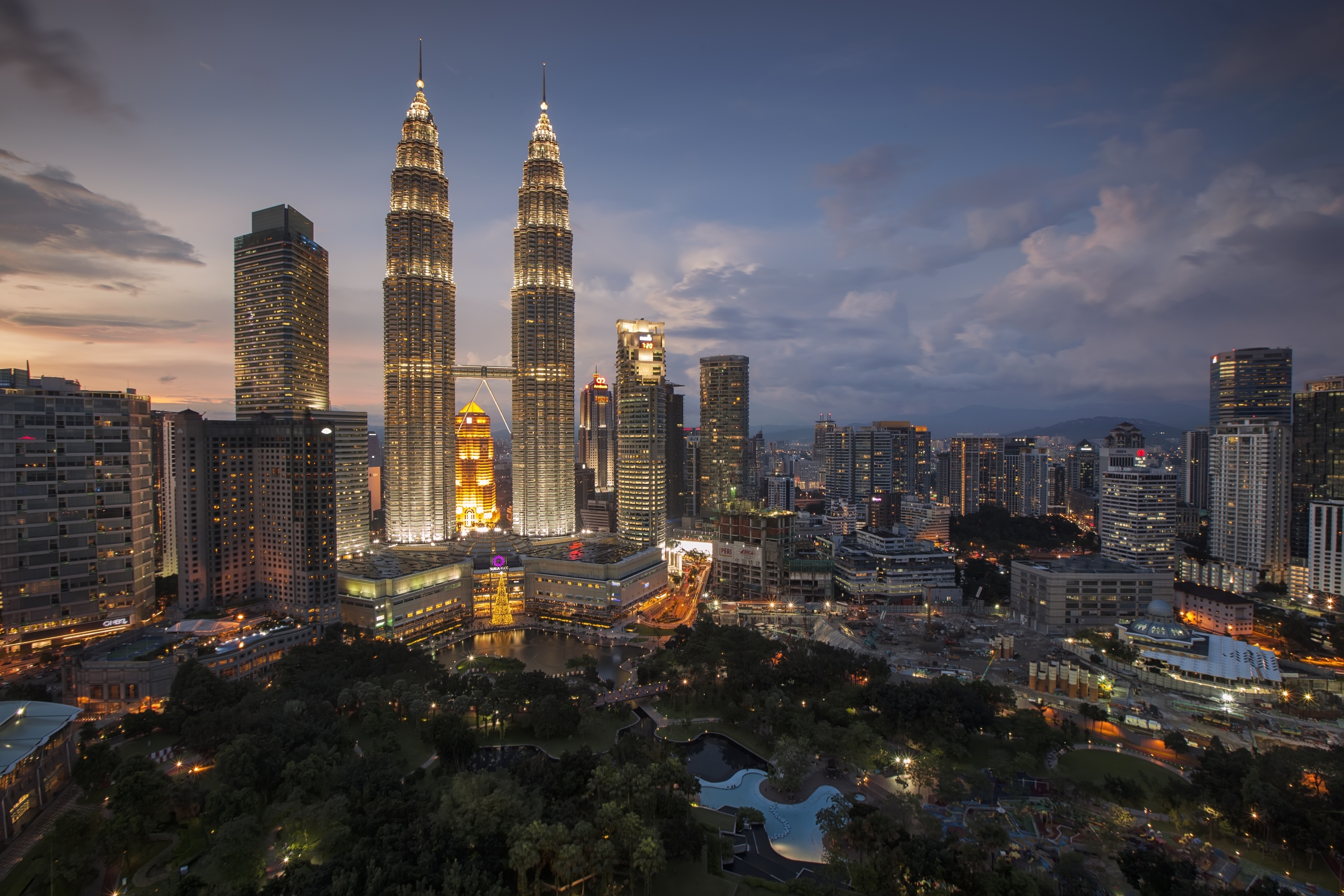
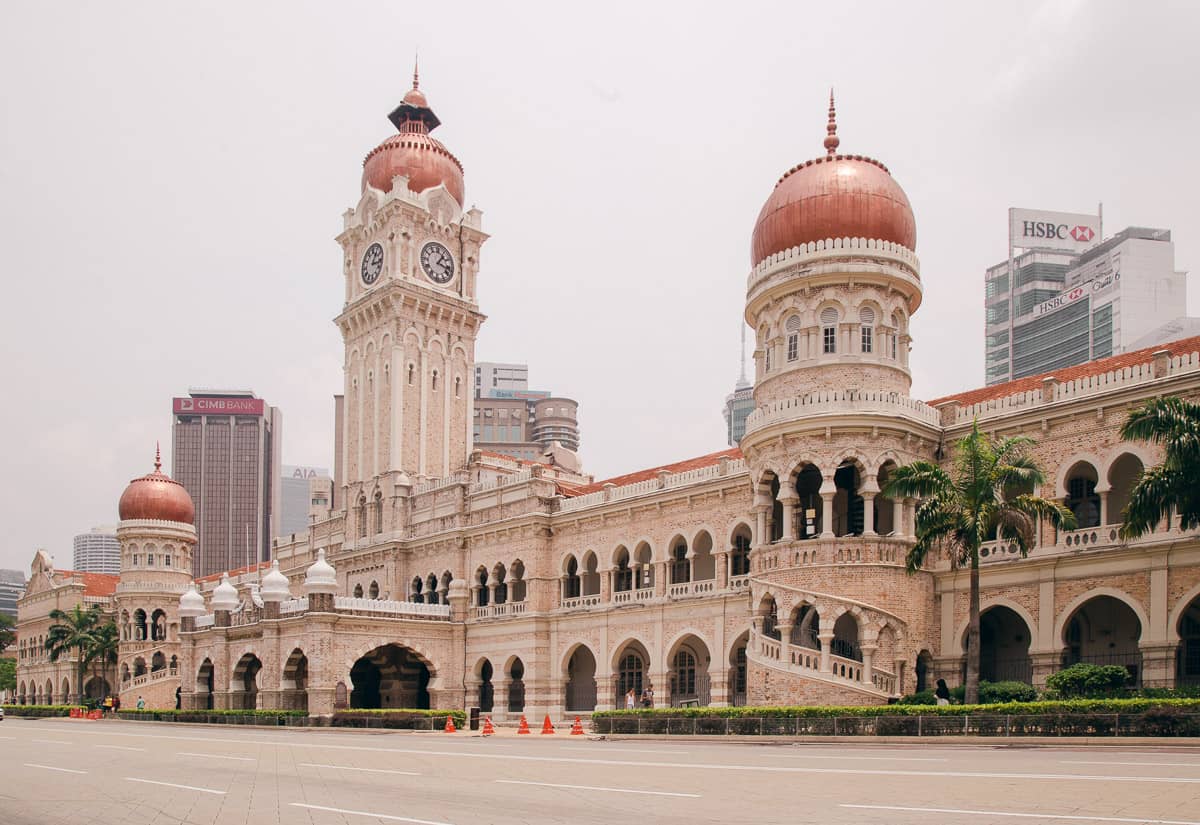
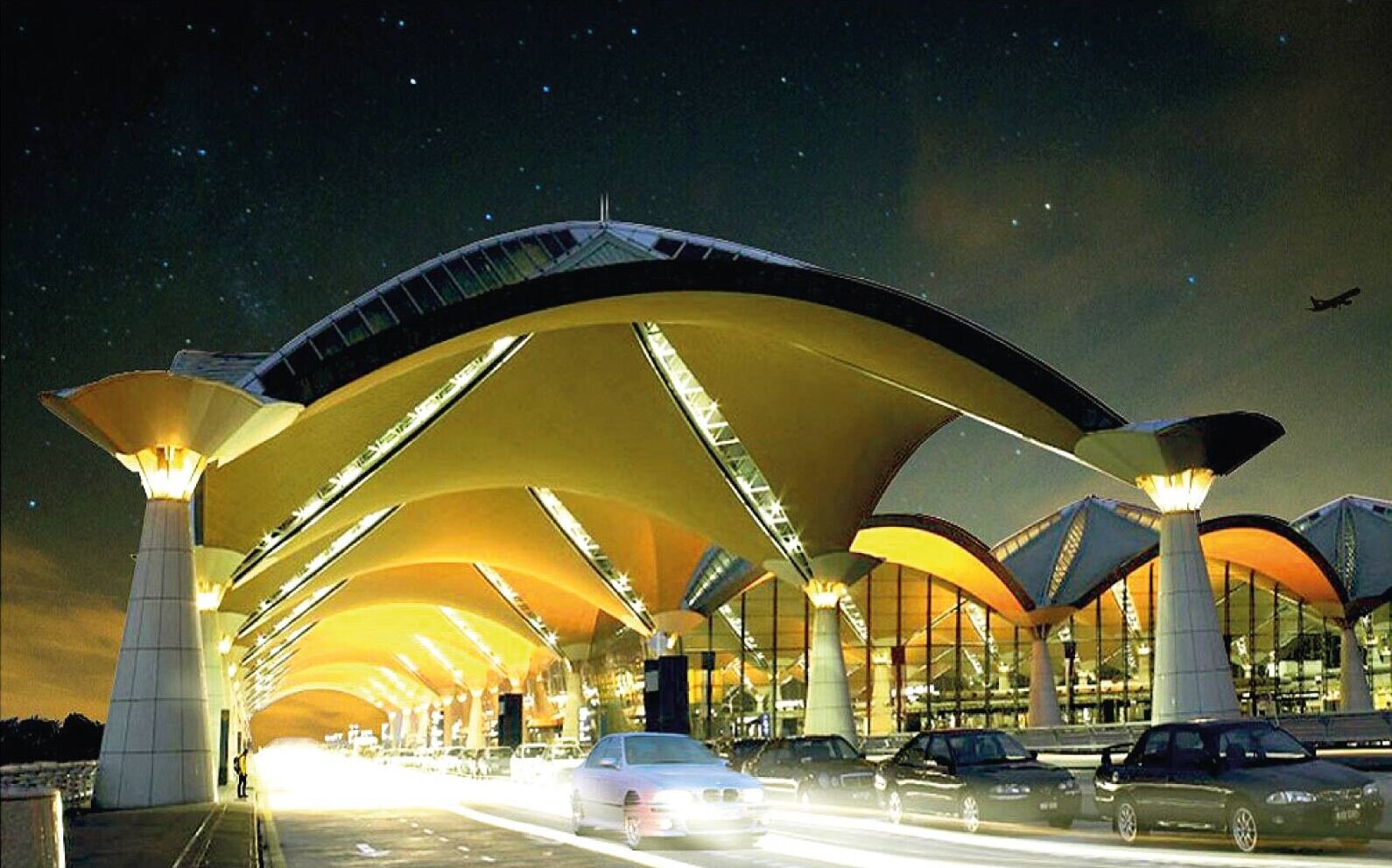

Why Malaysia?
A world-class destination combining academic excellence, modern infrastructure, and rich cultural heritage.
Malaysia is a vibrant and rapidly developing nation in the heart of Southeast Asia, strategically positioned along major international trade and air routes. With a diverse population of over 33 million and English widely used in academia and business, it offers an accessible and welcoming environment for international researchers and professionals.
As a rising hub for education, technology, and innovation, Malaysia is home to world-class universities and a thriving research ecosystem. Known as a "Truly Asia" destination, it blends rich cultural heritage, modern infrastructure, and breathtaking natural landscapes — from the iconic Petronas Twin Towers to pristine rainforests and stunning islands.
Academic Excellence
Home to globally ranked universities and a strong research ecosystem fostering international academic collaboration.
Safe & Welcoming
A politically stable and safe nation with a warm multicultural society that embraces international visitors.
Strategic Location
Gateway to ASEAN with excellent connectivity, modern airports, and seamless access to global destinations.
Rich Culture & Cuisine
A melting pot of Malay, Chinese, and Indian cultures offering world-renowned cuisine and unforgettable experiences.
Modern Infrastructure
Advanced transportation networks, smart city initiatives, and world-class conference and hospitality facilities.
Affordable & Accessible
Competitive costs for accommodation, dining, and travel make Malaysia an ideal destination for international delegates.
Host Institution, Perdana University, Kuala Lumpur, Malaysia
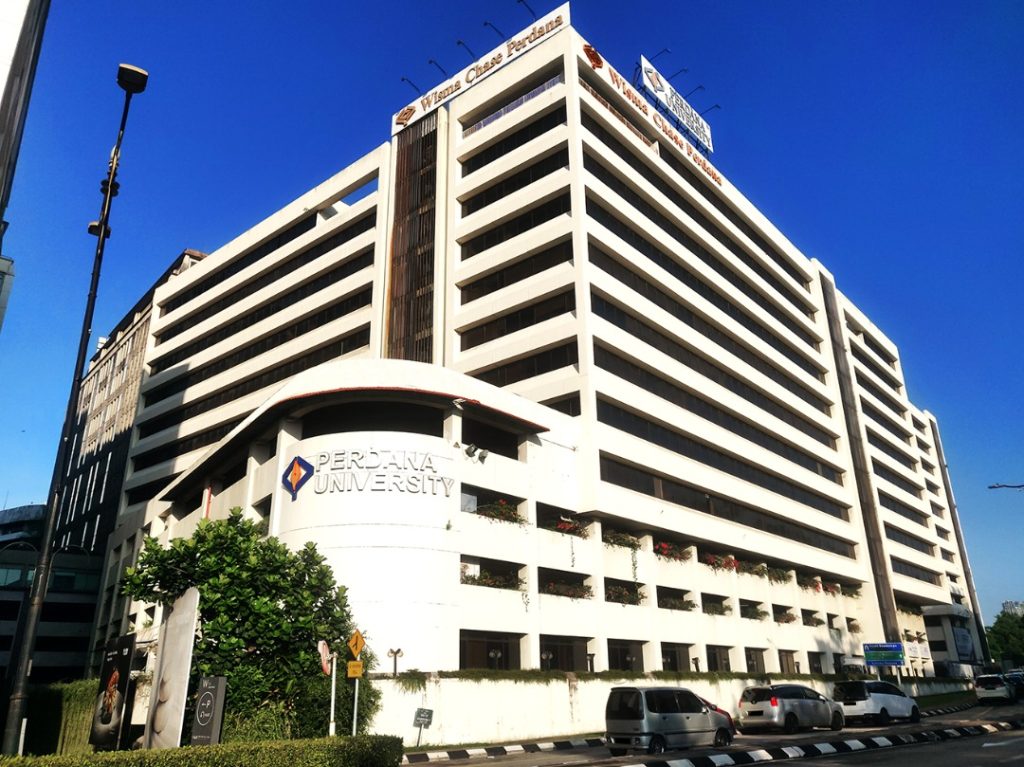
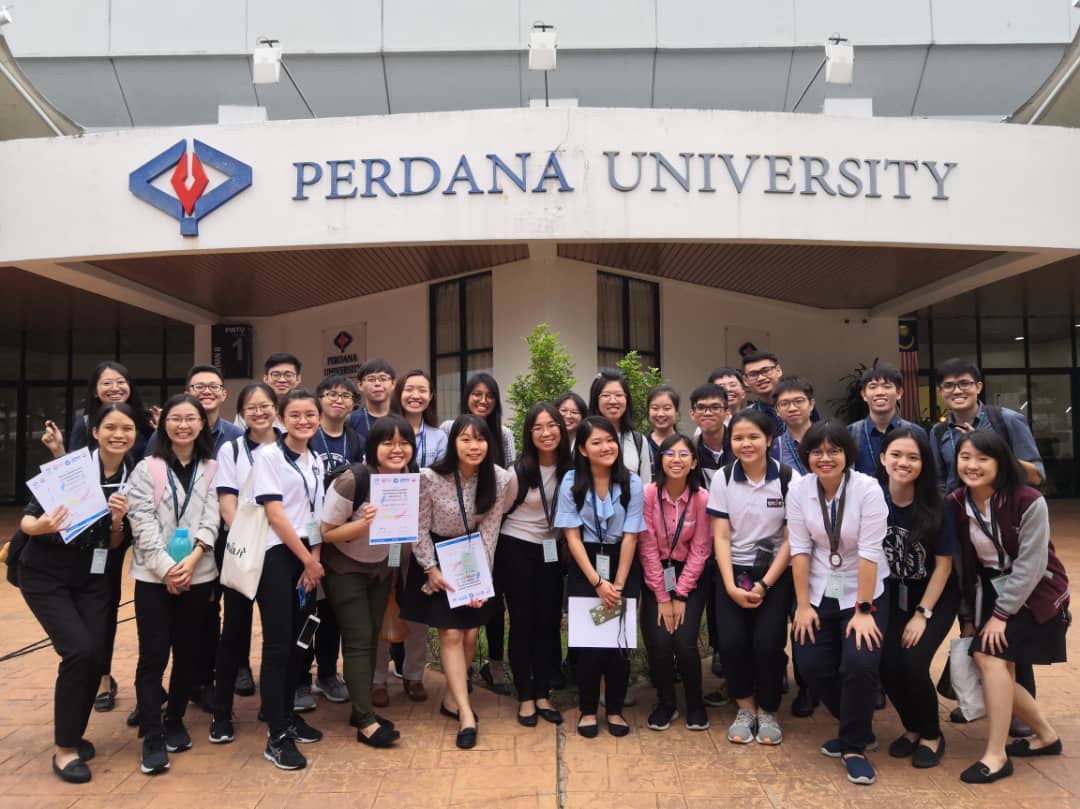

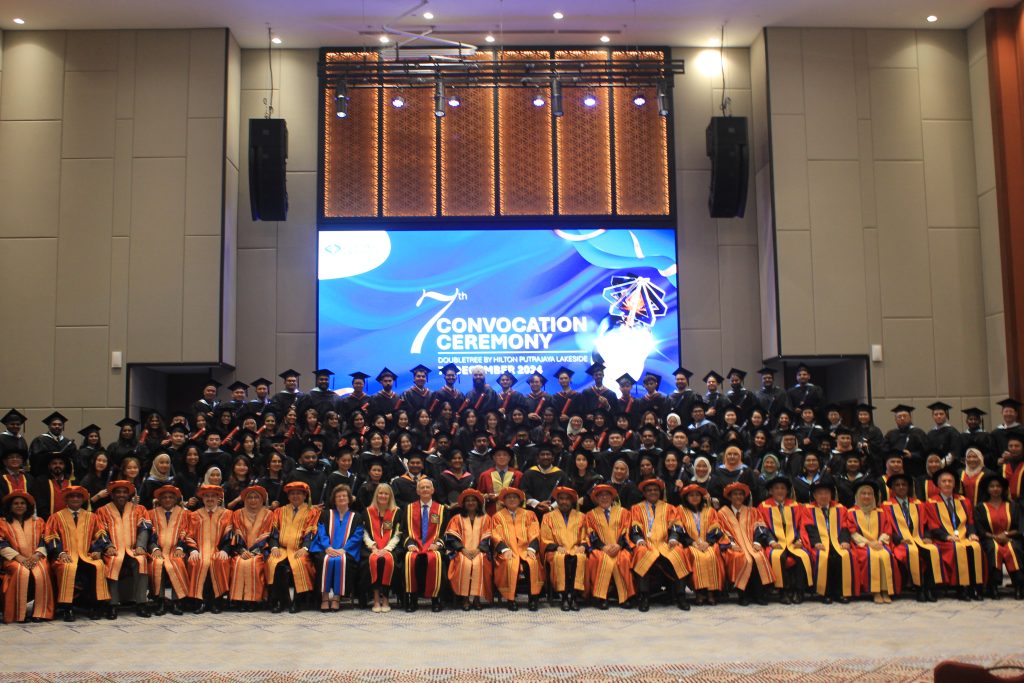
Perdana University (PU)
Founded 2011 · Kuala Lumpur, Malaysia
Perdana University (PU) is a distinguished private institution located in the vibrant metropolis of Kuala Lumpur, Malaysia. PU has built a strong reputation in medicine and health sciences, while steadily expanding its footprint in computer science, business, education, social sciences, and other academic disciplines. From foundation (pre-university) studies to undergraduate, postgraduate, and postdoctoral levels, PU remains committed to cultivating intellectual growth and fostering academic distinction.
As a prominent city-based university, PU is uniquely positioned to develop future leaders—physicians, occupational therapists, technologists, entrepreneurs, educators, media experts, psychologists, and researchers—through mentorship by experienced lecturers, many of whom are industry veterans and thought leaders. Academic pursuits at PU are integrated with a strong commitment to research and innovation, supported by modern facilities and opportunities to engage in pioneering projects that address complex challenges.
Schools, Faculties & Centres
Suite 5.3, Level 5 and Suite 9.2, Level 9, Wisma Chase Perdana,
Changkat Semantan, Damansara Heights, 50490 Kuala Lumpur, Malaysia
Perdana University — Official Links
Get Direction to Conference Venue
Conference Venue
Find your way to the conference. Use the map below or get directions directly to the venue.